
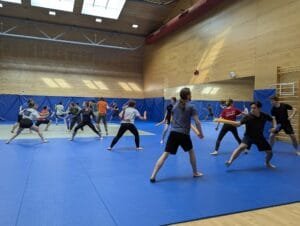
Hry umožňují do šermu přidat týmovou práci a kooperaci.
Klub pořádá akce pro utužování komunity uvnitř SKHB.
Debaty mezi experty dokáží být velmi obohacující pro všechny naslouchající a historická bojová umění poskytují více než dostatek prostoru pro interpretace.
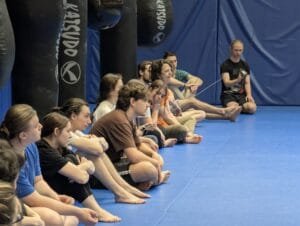
Pro vysvětlení složitějších principů, technik, strategií a dalších aspektů historických bojových umění je nutné investovat více času než na pravidelných trénincích.
Klub vypisuje semináře se specifickým programem pro využití této možnosti zahloubat do problematiky více.
Hmotná kultura v oblasti historického boje je velmi bohatá.
Klub kdykoli má příležitost pořádá návštěvy muzeí, hradů, pevností, atd. kterých je po naší zemi i ve světě nepřeberné množství.
Svět historických bojových umění je plný kapacit, které jsou schopny poutavě povídat o mnohých tématech.
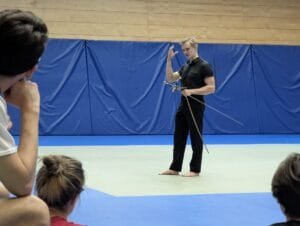
Klub těmto osobnostem dává prostor se o své znalosti podělit s veřejností organizováním přednášek.
Ve snaze spojovat šerm klub pořádá kemp otevřený všem klubům i národnostem.
Cílem kempu je navázat vztahy mezi organizacemi, podporovat spolupráci v rozvoji historických bojových umění a také rozvíjet a budovat přátelské vztahy v šermířské komunitě.
SKHB pořádá každoroční pětidenní letní soustředění už od roku 2021.
Jedná se o hlavní akci klubu uzavírající proběhlou sezónu a připravující členy na tu další.
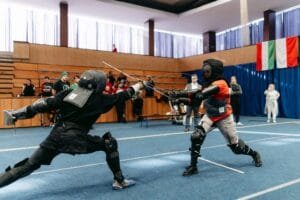
Turnaje jsou pro členy SKHB těmi hlavními hlavními akcemi, na kterých prokážou své schopnosti proti šermířům z cizích klubů z celého světa.
SKHB pro své členy organizuje společné cesty na turnaje, které se vždy snaží spojit buďto s kulturním nebo s rekonvalescenčním vyžitím následující den po celodenním soutěžním zápolení.
Umět zasáhnout svého protivníka a nebýt přitom zasažen je velmi důležitá schopnost při snaze ovládnout jakékoli bojové umění, ale umění zasáhnout správně je neopomenutelné.
Ačkoli ostrá zbraň je velmi nebezpečná sama o sobě, tak schopnost ji ovládat má několik úrovní, které všechny testujeme na speciálních terčích vybraných a uzpůsobených tak aby testovaly specifické aspekty schopnosti používat zbraň. Zároveň i pořádáme soutěže ve kterých poměřujeme nejenom úroveň našich schopností, ale i jejich konzistenci a pohotovost nutnou při hypotetickém scénáři nutnosti použití zbraně v boji.
Osobní přístup je ten nejlepší pro co nejbezchybnější i nejrychlejší předání zkušeností trenéra žákovi.
Zdeněk Brýdl momentálně z důvodu časové vytíženosti osobní lekce neposkytuje.
První formou hry vůbec je hra na boj. V SKHB se děti naučí pravidla bezpečného úpolu, fair play a skrze individuální snahu se zlepšit se naučí nutnosti týmové spolupráce.
Děti mohou být na trénincích dětmi, hrají si tak jak sami chtějí pod dohledem trenérů udávajících hře řád a morální hodnoty. Děti si tak osvojí velmi důležité sociální koncepty fair play, cti, respektu hranic ostatních a přitom si mohou získat zdravé sebevědomí, navázat pevné přátelské vazby a získat koníček skrze který se naučí přistupovat k životu se snahou být vždy lepší a k překážkám jako k příležitostem pro zdolání neznámého, jak zvládnou na trénincích a společných akcích.
V bojových uměních existuje tvrzení, že o vítězství rozhoduje z 5% fyzická zdatnost, z 15% technika, z 30% taktika a z 50% mentalita.
Boj je tedy z 80% rozhodnut hlavou a i proto každý člen SKHB smí každý pracovní den od 10:00 do 20:00 navštívit knihovnu klubu a půjčit si kteroukoli z rozsáhlé sbírky knih o historickém i moderním pojetí bojových umění. Knihovna je primárně zaplněna spisy od starých mistrů plné pouček o použití zbraní, které autoři potřebovali k přežití, ale jsou v ní i knihy o vývoji zbraní, filosofické spisy o boji, historii šermu nebo o moderním pojetí tohoto bojového umění.
Péče o pohybový aparát je naprosto esenciální pro tak intenzivní sport jakým je sportovní historický šerm.
Každý člen SKHB může zdarma navštěvovat posilovnu každý pracovní den od 10:00 do 20:00. Posilovna je vybavena pomůckami na funkční trénink jakým jsou osy a závaží na olympijské vzpírání, gymnastické kruhy, kettlebelly, macebelly, clubbelly, jednoruční činky, zátěžové vesty, slambally, různé balanční podložky, švihadla, závaží na končetiny, ab wheely, různorodé gumy, powerbally, zátěžové pásy, rýžové kýble, atp. Také jsme vybaveni boxovacími pytli, různými šermířskými trenažery na samostatný drill technik a trenažery bruslení upravenými na zpevnění a získání stability v šermířském bojovém postoji pro sportovně specifičtější trénink.
Úspěchy nepřichází samy. Pro ty kteří mají zápal a snesou náročný trénink je v SKHB A-team.
Samotné ambice pro připuštění k A-teamu ale nestačí. Členové musí prokázat vytrvalost, pevnou vůli, odolnost, důslednost i disciplínu, aby získali privilegium účastnit se tréninků A-teamu. Tyto tréninky se liší intenzitou, zaměřením i nátlakem, který motivuje členy k výkonům i pokud už sami postrádají sil. Ke schopnosti vybičovat se k výsledkům sám vede dlouhá cesta, kterou dobrý kouč může výrazně zkrátit. Učení zde probíhá často sparringem s trenérem, který je nutný pro vysvětlení a předvedení arbitrárnějších nuancí v každém bojovém umění.
Pro trénink boje je nutné testovat naučené schopnosti volným soubojem co nejčastěji.
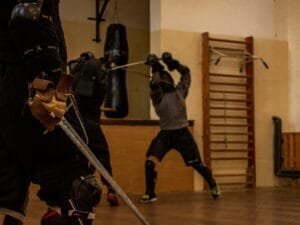
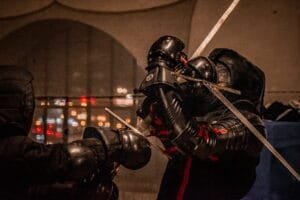
Už na první hodině nováčci v SKHB dostanou do rukou zbraně a obléknou se do chráničů, aby si vyzkoušeli v čem se vůbec budou na trénincích snažit zdokonalit. Narozdíl od jiných bojových umění nemusíme mít v šermu strach ze zranění a tak sparringu dáváme prostor na každém tréninku. Volný šerm je pro náš trénink tak podstatný, že mu věnujeme dva celé tréninky týdně. Při těchto trénincích si mohou členové zvolit jakoukoli zbraň se kterou se chtějí utkat.
Samotný volný šerm pak obohacujeme o sparringové hry, scénáře a pravidla, která pomáhají usměrňovat růst šermujících.
Bojová umění jsou o schopnosti být lepší než protivník, pokud tedy člověk chce sledovat vlastní progres, musí se utkávat s protivníky v prostředí, kde je jasný vítěz.
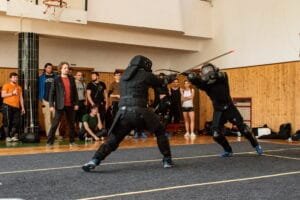
Aby si každý člen mohl vyzkoušet jak vypadají velké mezinárodní turnaje nanečisto, organizuje SKHB interní turnaj poslední úterý nebo čtvrtek každého měsíce. Turnaj probíhá ve všech zbraních včetně těch střelných, vrhacích nebo v sekání. Turnaje si utvářejí samotní účastníci, kteří se tak učí ujmout se rolí rozhodčích a získávají tak zkušenosti i na budoucí uplatnění.
Interní turnaje probíhají v přátelské atmosféře, kde se všichni vzájemně snaží jeden druhého motivovat k úspěchům.
Umění boje na dálku je to, co doopravdy převrhlo váhy síly mezi živočišnými druhy na stranu člověka. V průběhu celé lidské historie toto umění bylo dominantní součástí schopnosti bojovat i válčit dokud se nestalo jediným dominantním způsobem boje.
Do historické střelby se řadí celá spousta zbraní od pravěkých praků, atlatlů přes antické luky, vrhací sekery, středověké hurlbaty, doutnákovky až po moderní křesadlové pušky a duelantské pistole. V SKHB se nejvíce zaměřujeme na válečnou lukostřelbu evropského i asiatického stylu. Oproti klasické lukostřelbě se zaměřujeme krom přesnosti i na další schopnosti rozhodující v bojovém scénáři, jako je rychlostřelba, střelba za pohybu, střelba zpoza úkrytu nebo i jen schopnost natahovat luky válečné libráže. Vedle toho trénujeme i střelbu z praků páchajících spoušť na antických bojištích, trénujeme vrhání nožů i seker a mnoho dalšího.
V každé zbrani se snažíme následovat veškeré historické zdroje a ctíme jejich tradiční způsob využití v kontextu doby i kultury kdy byly používány.
Japonsko si udrželo feudální uspořádání společnosti s vojenskou stavovskou elitou povinně nosící meče až do druhé poloviny 19. století.
Jedná se o zbraň která se nejvíce kulturně odlišuje od zbytku činnosti SKHB. Hlavní zaměření je na Iaidó tedy na boj začínající tasením. V našem pojetí zachováváme neurčitost momentu začátku souboje (vyvarujeme se externímu startovnímu povelu přítomnému v dnešním šermu), abychom imitovali podstatu správného duševního rozpoložení tvořící velkou část umění Iaidó. Oproti tradičnímu přístupu netrénujeme Kata, zaměřujeme se na Gekken, v němž požíváme zbraně vlastní výroby, které společně s chrániči umožňují plně kontaktní šerm s ocelovými zbraněmi.
Vzhledem k absenci dosažitelných didaktických historických zdrojů popisujících jednotlivé techniky a metodiky šermu se v našem přístupu pouze volně inspirujeme z poznatků Yamamota Kansuke, za aplikace principů z Go Rin no Sho Miyamoto Musashiho. Zároveň neděláme žádné přípravy na zkoušky a neženeme za získáváním danů. Vyhýbáme se tak přístupům jiných škol, které často působí více jako náboženské kulty než jako centra pro trénink bojových umění.
Nůž je nástrojem neodlučitelným od člověka příhodně použitelný jako zbraň k sebeobraně.
Jedná se o zbraň, která se jako jediná v repertoáru SKHB dá trénovat bez chráničů. Maska je samozřejmě stále nutná a pro pokročilejší tréninky s tuhými čepelemi je už ochranný komplet nutný, ovšem i na turnaje je možné chodit pouze s maskou. Dnešních turnajů v boji nožem se účastní převážně kluby věnující se sebeobraně a neozbrojeným bojovým uměním, mezi nimi se šermíři ovládající chladné zbraně dokáží dobře prosadit. Společně s noži trénujeme také boj ratanovými bastony používanými ve Filipínských bojových uměních.
V trénincích boje nožem se historii věnujeme pouze okrajově a ze zajímavosti, lekce jsou vedeny na základě moderního vědění.
Kord je poslední oficiálně použitou duelovou zbraní.
Jedná se o zbraň nejméně zatěžující pohybový aparát a z ocelových zbraní vyžadující nejmenší množství chráničů. Společně s kordem se věnujeme také boji s vycházkovou holí.
Kord je jednou ze zbraní dnešního olympijského šermu, největším rozdílem s jeho verzí v historickém šermu je existence kordů, které kromě hrotu mají i sečné ostří a také kombinace zbraně například s dýkou v levé ruce.
Meč a štítek je kombinací zbraní o které pojednává nejstarší dochovaný šermířský manuál popisující nám jak se zbraněmi zacházet.
Jedná se o skvělou volbu pro ambidexterní šermíře, kteří chtějí využívat obou rukou s jasně přidělenými rolemi. Kombinace dvou zbraní vždy přináší větší množství možností zabránění souzásahových situací ze kterých oba šermíři vychází poražení.
Liber de Arte Dimicatoria známý také jako Walpurgis fechtbuch ze začátku 14. století je prvním z mnoha šermířských manuálů popisujících meč a štítek: Wiktenauer.com/Sword&Buckler
Šavle je poslední široce používanou chladnou zbraní ve vojenství.
Jedná se o zbraň která v posledních letech nabyla velké množství pozornosti šermířského světa. Je to zbraň šermířsky vcelku jednoduchá a její použití v duelech otevírá častěji prostor pro delší výměny v porovnání s jinými zbraněmi.
Šavle má díky své pozdní šermířské oblíbenosti výhodu v mnoha autorech píšících o jejím použití v nedávné minulosti. V odlehčené podobě se nám dochovala i ve dnešním olympijském šermu.
Jedním z uznávaných historických šermířských mistrů je Brňák Robert Tvarůžek, který roku 1910 přeložil do češtiny Barbasettiho šavli.
Dlouhý meč je nejpopulárnější zbraní světové HEMA scény.
Jedná se o skvělou první zbraň každého začínajícího šermíře se kterou se dají dobře pochopit mechaniky manipulace s chladnou zbraní a se kterou je možné na četných a častých turnajích sledovat vlastní šermířský vývoj. Zároveň se jedná o zbraň s největší a nejsilnější konkurencí po celém světě. Boj se schopnými protivníky vás dělá zdatnějšími a tak by dlouhý meč měl brát vážně každý šermíř. Kdo se bojem chladnými zbraněmi chce prosadit měl by se snažit své schopnosti prokázat i s touto zbraní.
Dlouhý meč je také zbraní velmi oblíbenou starými mistry, kteří nám zanechali nemálo instrukcí o tom jak tuto zbraň používat: Wiktenauer.com/Longsword
Rapír je technologicky nejdokonalejší duelovou chladnou zbraní světa.
Jedná se o zbraň ve které je největší rozdíl mezi začátečníky a těmi zkušenými. Po zvládnutí boje samotným rapírem je pro dosáhnutí plného potenciálu této zbraně nutné zaměstnat levou ruku poboční zbraní jako je například dýka, targa, rotella, pukléř nebo plášť. Rapír s poboční zbraní mezi chladnými duelovými zbraněmi nemá konkurenci.
Rapír má nejbohatší historický technický repertoár akcí využitelný na turnajích a je také první zbraní ke které najdeme didakticky psané historické prameny: Wiktenauer.com/Rapier